
The 35% Problem: Why Property Management Has a Retention Crisis
Posted: 18 August 2026
Author: STAFFLINK Web Services
There’s one number every real estate principal should know.
It’s 35%.
That’s the annual turnover rate for property managers across Australia, according to Macquarie Bank’s Real Estate Industry Benchmarking Report the most comprehensive study of agency performance in the country.
One in three property managers changed employers. In Victoria, it was closer to one in two.
Most agencies treat this as the cost of doing business.
It isn’t. And it doesn’t have to be.
What It’s Actually Costing
Every departure sets off a chain of costs most principals never fully add up:
- Recruitment advertising and agency fees
- Hours spent interviewing and onboarding
- Training a new hire on your systems, your clients, your way of working
- Three to six months before they’re fully productive, while your existing team covers the gap
At 35% turnover, that’s two to three replacements a year. Real costs, cycling through the business, just to stay in the same place.
And that’s before counting what walks out the door with them: client relationships, informal processes, institutional knowledge that was never written down because it never needed to be. It just lived in people.
Salary Isn’t The Answer
The instinct has been to compete on pay. Macquarie’s own data says otherwise.
Business culture ranked as the number one retention lever, cited by 86% of respondents. Fixed remuneration ranked last, at 18%.
Victoria had both the highest PM turnover in the country and the highest average PM salaries. More money wasn’t solving it.
The things that actually retain people are structural: clear expectations, defined roles, an environment that doesn’t burn them out. These aren’t perks offered at review time. They’re built into how a business runs day to day.
Built To Retain People?
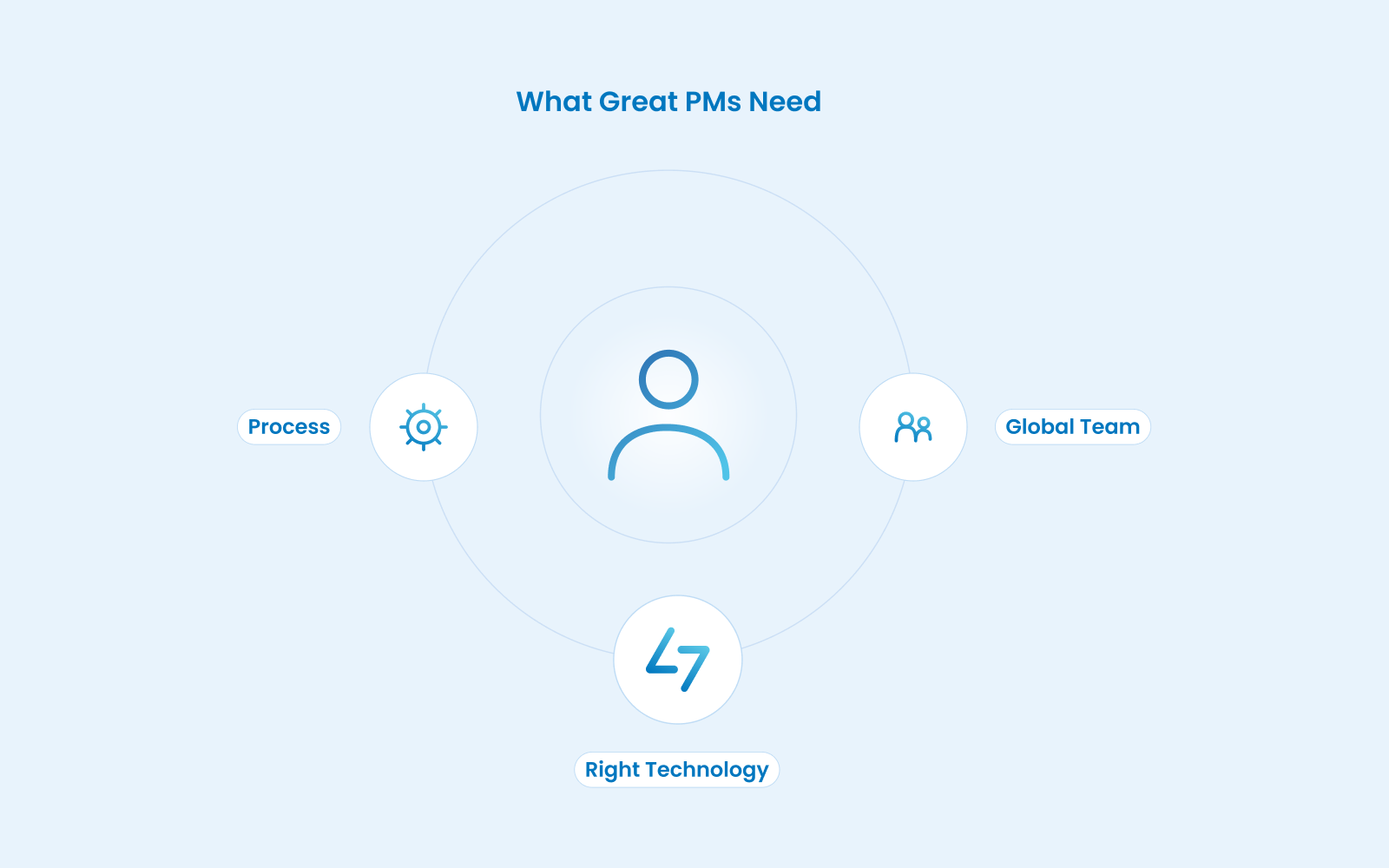
What Great PMs Actually Need
Ask a property manager why they’d leave. The answer is rarely the salary.
It’s the workload. The after-hours calls. The feeling of running flat out just to stay level, with no time left for the parts of the job they’re actually good at.
The agencies that keep their best people aren’t offering bigger pay rises. They’ve looked honestly at what a PM’s week involves, and taken the pressure off where it matters.
That means:
- Handing the repetitive, time-consuming work to a capable global team, so PMs can focus on relationships and judgment calls
- Giving PMs the right technology, so nothing falls through the cracks and nobody’s chasing information that should already be visible
- Building real structure around the role, not just adding more to the to-do list
When a PM has that kind of support, the job changes. There’s room to enjoy the parts of property management that drew them to it: building relationships with owners, solving problems well, being genuinely good at the job instead of just surviving it.
Building A Role People Want To Stay In
Retention isn’t about appreciation after the fact. It’s about designing a role that doesn’t burn people out in the first place.
That means:
- Clear workflows — so a PM always knows what’s on their plate and what’s being handled elsewhere.
- Global talent, integrated properly — taking on the operational load so PMs aren’t doing everything themselves.
- Smart use of technology — so information is visible and PMs aren’t relying on memory to manage 150+ properties.
- Genuine capacity — so a PM can take leave and come back to a business that’s still running properly.
When agencies build this, PMs stop leaving because the job stops being unsustainable. They stay because the role finally works.
The Real Question
The 35% PM turnover rate is a symptom. It points to businesses where operational structure hasn’t kept pace with growth, and where leaving is easier than staying.
The real question isn’t how to make the next hire more attractive.
It’s whether the role you’re offering is one your best people actually want to stay in.
Looks Like In Practice
Sources: Macquarie Bank Real Estate Industry Benchmarking Report; Australian HR Institute.